





The word “yoga” originates from the sanskrit root yuj which means “Union”. On the spiritual plane, it means union of the Individual Self with the Universal Self; while, for the man of this world, it is the union of the physical, physiological, mental, emotional and intellectual bodies leading one to live a integrated, purposeful, useful and noble life. Yoga is one of the six systems of Indian philosophy.
In Yoga, it is said that `What you eat is what you are.’ Meaning the food has a direct impact on human mind, personality and behavior. After all Yoga is basically a healthy life style for spiritual upliftment! The Science of Yoga has both, ideology and technology: suggestive theory and practical methods. Yoga suggests and supports vegetarian diet, naturally grown fruits and vegetables, all grains, pulses and dairy products as a healthy diet with few options.
Eating the right kind of food is an important element in achieving a physical, mental and emotional balance. In yogic literature foods that are beneficial to us are said to be Sattvic, or pure. Impure foods that can upset our physical, emotional, or intellectual balance are referred to as being in the categories. Tamasic (stale or rotten) and Rajasic (stimulating). You should avoid these foods. It also gives scientific explanation at both levels: physical and mental.
Physically:
- Vegetarian diet is easy to digest because it is natural E.g. The protein from any beans or dairy product is easy to digest than an animal protein.
- Vegetarian diet takes 3-4 hours to digest while non-vegetarian diet takes 6 + hours to digest. The body and specially the organs of the digestive system have to work more and hard to digest heavy foods.
Mentally:
Our great Yogis were observers of the nature. They have studied the Nature very minutely and precisely. Milk is the first food taken by all babies: human or animal! A very natural form of food for any life! Produced by the body and for the nourishment of the body! So all the natural form of dairy product is covered in Yogic diet.
Most serious practitioners of Yoga choose to become vegetarians for two reasons principally, one is ethical and the other is nutritional. If your Yoga practice has spilled over into the spiritual aspect, however, then you may seriously be having second thoughts about eating meat.
A yoga diet is based on the concept of eating well-balanced wholesome foods, which not only strengthen the body, but also help in relieving the mind of stress. Yoga does not classify foods based on the vitamin, mineral, protein or nutrient content. A Yoga diet follows the philosophy that the actual benefit all the ingredients that go into food can be maximized by consuming them in the form that is the most natural.
What is a yogic diet?
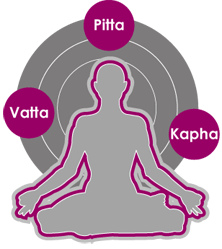
In yoga, the sattiv diet is considered to be important for the health of the yoga student. The vegetarian diet is referred to as sattva or sattvic. Sattvic diet recipes use foods that are light in nature, and are easy to digest. These foods include whole meal bread, cereals, fresh fruits and vegetables, milk and so on. Pitta is one of the three doshas or body types in Ayurveda. Pitta diet recipes are those foods which will keep the pitta in balance.
What is satvik and tamsik diet?
Diet plays an essential role in the when you are following a yogic lifestyle. Yoga weight loss details include this point as well. A yogic diet is one that should not contain any spicy foods as these are considered harmful. These are Rajasik (heavily processed foods), Tamsik (spicy foods) and Satvik (foods that are eaten in their original state, like fruits). Most yoga recipe details will describe Satvik foods as these foods are considered an ideal diet by yoga practitioners.
Yoga diet recipes
Yoga diet recipes are all prepared using the ingredients that meet the “Sattvic” diet requirements. They are usually very nutritious and some of them are quite easy to prepare too. Such a diet can be suitable for vegetarians, as well as meat eaters, at least in the beginning. It is believed that as a person becomes more aware of his or her body, because of Yoga, they find that eating meat can make them feel very heavy.




Yoga is one of the six systems of Indian philosophy. The protein from any beans or dairy product is easy to digest than an animal protein. The body and specially the organs of the digestive system have to work more and hard to digest heavy foods. They have studied the Nature very minutely and precisely. A Yoga diet follows the philosophy that the actual benefit all the ingredients that go into food can be maximized by consuming them in the form that is the most natural. The vegetarian diet is referred to as sattva or sattvic. Pitta diet recipes are those foods which will keep the pitta in balance. Yoga weight loss details include this point as well. A yogic diet is one that should not contain any spicy foods as these are considered harmful. Most yoga recipe details will describe Satvik foods as these foods are considered an ideal diet by yoga practitioners. They are usually very nutritious and some of them are quite easy to prepare too. Proudly designed by Softech Nepal Powered by Ayur Forum.In case you are taking up yoga exercises as a solution to your obesity, you must know that yoga diet won’t give you immediate result.
Yoga will help you to lose weight ,you need to be patient .