





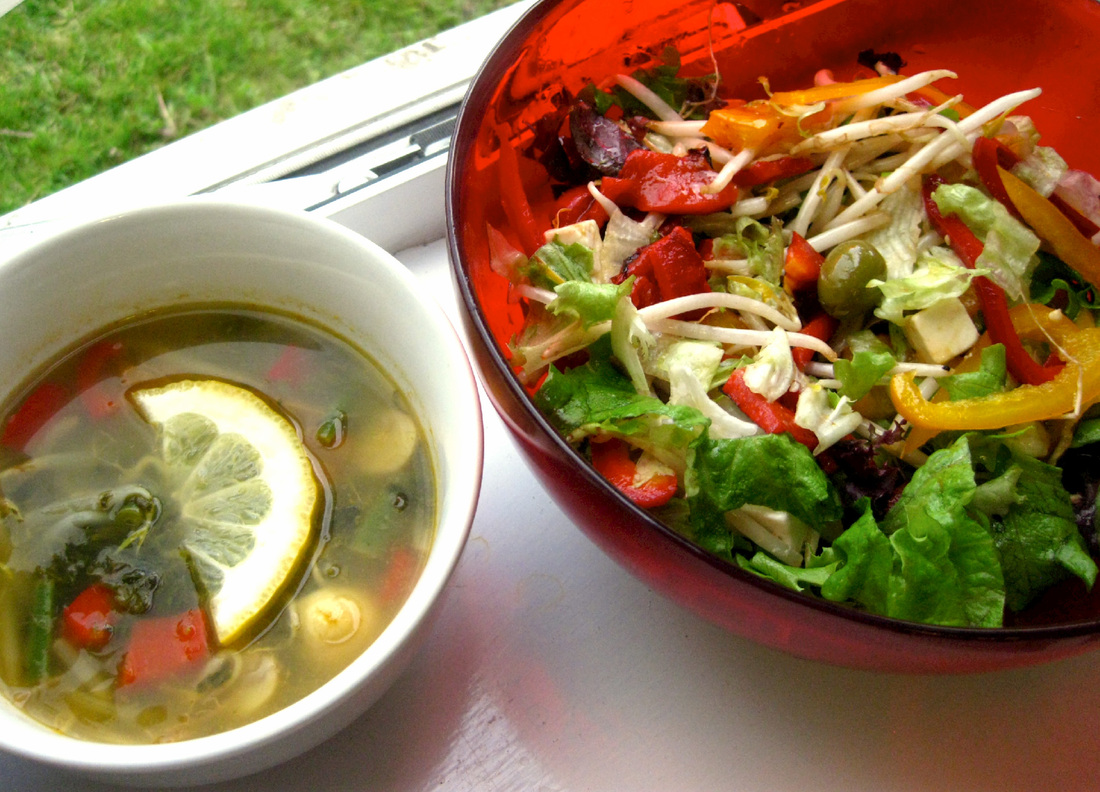
We are what we eat! This is absolutely true. Our health, behavior, perception, observation, concentration and almost everything is influenced by the food we eat.
Avoiding unhealthy foods is as equivalent as eating healthy foods. Simply, these two aspects are interrelated with one another. Once you follow the healthy diet, there is no room for going unhealthy. This is a crucial aspect of Ayurveda. Healthy eating is the base to form a healthy body and mind.
Ayurvedic text on eating healthy refers to restricting to a certain food group. The food groups we eat can be classified into three, Sattvic Diet, Rajasic Diet and Tamasic Diet. Ayurveda throws light on Sattvic diet, nothing but vegan or vegetarian diet. As you may all aware that principles of Ayurveda with regards to health and wellbeing is greatly influenced by the choice of foods we eat.
Let us get an insight on scopes of vegetarian diet, called the Sattvic diet.
Sattvic diet – A Brief Introduction
The Sattvic diet basically focuses on nurturing an individual with an objective to increase consciousness. It is the appropriate diet to build physical strength, attentiveness, proper flow of energy, longevity, etc. The body and mind functions at its best with a maximum potential.
Sattvic foods not just refer to vegan foods. Sattvic foods have abundance of Prana, called the life force of universe. It actually mentions the foods / food groups that endow life to living beings, including plants and animals of all types. Foods that are prepared from fresh produce with no uses of artificial ingredients also termed as Sattvic foods. In addition, food cooked with lots love and affection also becomes the Sattvic food.
Sattvic diet includes both sun foods and ground foods. It is based on the concept that Sattvic diet includes the food that grown with energy derived from sun and from earth.
Simply, a diet / choice of foods we eat should bring bliss, provide nutrition, improves health, imparts consciousness, etc. Any such diet is called a Sattvic diet.

What are Sattvic foods actually!
The answer is very simple.
- Foods / raw produce grown naturally, organically using the fertility of soil naturally, without using chemical or fertilizers for crop growth.
- Raw produce that are harvested in the right time.
- Raw produce that are whole foods
- Foods that loads of nutrients and enzymes naturally
- Foods that look very attractive and taste delicious
Examples of Sattvic Food that you can include in a Sattvic diet:
- Sprouts, whole grains, pulses and cereals, fresh fruits and vegetables, legumes, seeds and nuts, milk, cheese, ghee (Clarified butter) honey, spices and herbs.
- Fruits share a great proportion in Sattvic diet. However, there are few exceptions to fruits, which are not included in this food group. It includes banana, apples, avocado, plum and apricot etc.
- Colorful vegetables form a perfect Sattvic diet. Vegetables that do not form part of a Sattvic diet includes potato, cauliflower, onion and mushroom.
- Nuts and seeds like walnut, almond, apricot, brazil nuts, pistachio, etc are eaten raw without roasting or salting.
- Sattvic diet has natural sweeteners and includes honey, jaggery, sugarcane juice, fruit juice, fruit extracts, etc.
- Sattvic food groups that grow in abundance in every season forms a perfect Sattvic diet.
Characteristics of Sattvic Foods or Sattvic Diet:
The term Sattvic refers to clam and peace. Naturally, eating Sattvic foods or following a Sattvic diet as prescribed by Ayurveda imparts calmness, peace and clarity both in mind and body. Following are the common characteristics of Sattvic diet.
- Sattvic foods are very light and can be digested easily
- Eating these foods impart clarity and concise
- Creates / increases awareness and a sort of perception to absorb things easily
- Has great potential to impart love, kindness and generosity
- Impart the qualities of mercy, severity and a contented feeling
- Eating these foods do not agitate your appetite or digestive system
- Helps balances your dosha.
- Improves Ojas and diminishes Ama


Leave a comment